
I Didn't Market the CSA. I Marketed the Farm.
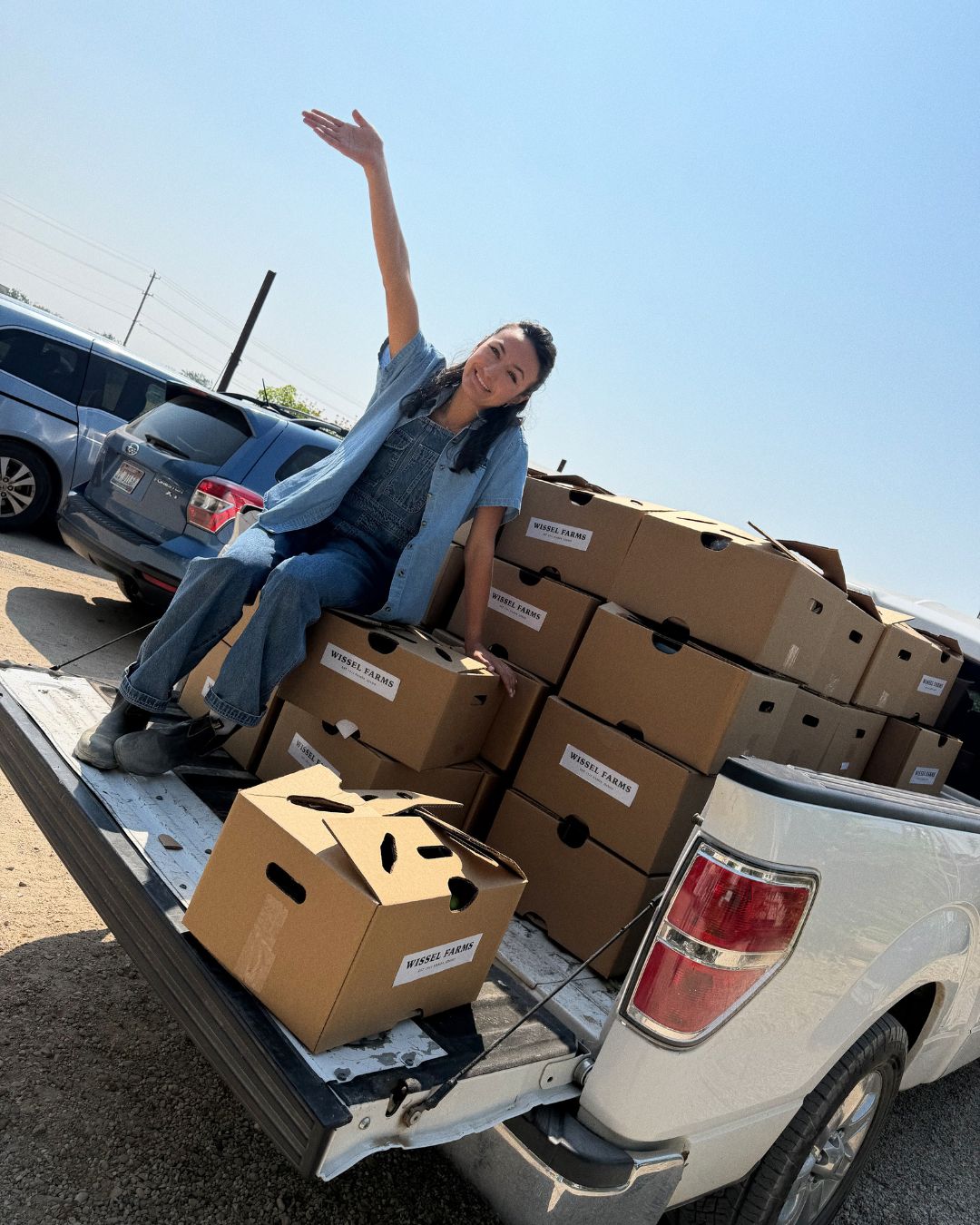
Farmer Morgan at Wissel Farms (Nampa, ID) added 18 new members in July and is running 100+ members more than last year — over 50% growth — without ever running a CSA marketing campaign. We asked her how. Her answer starts five years before this season. Here's Morgan, in her own words.
Farming is a long-term business
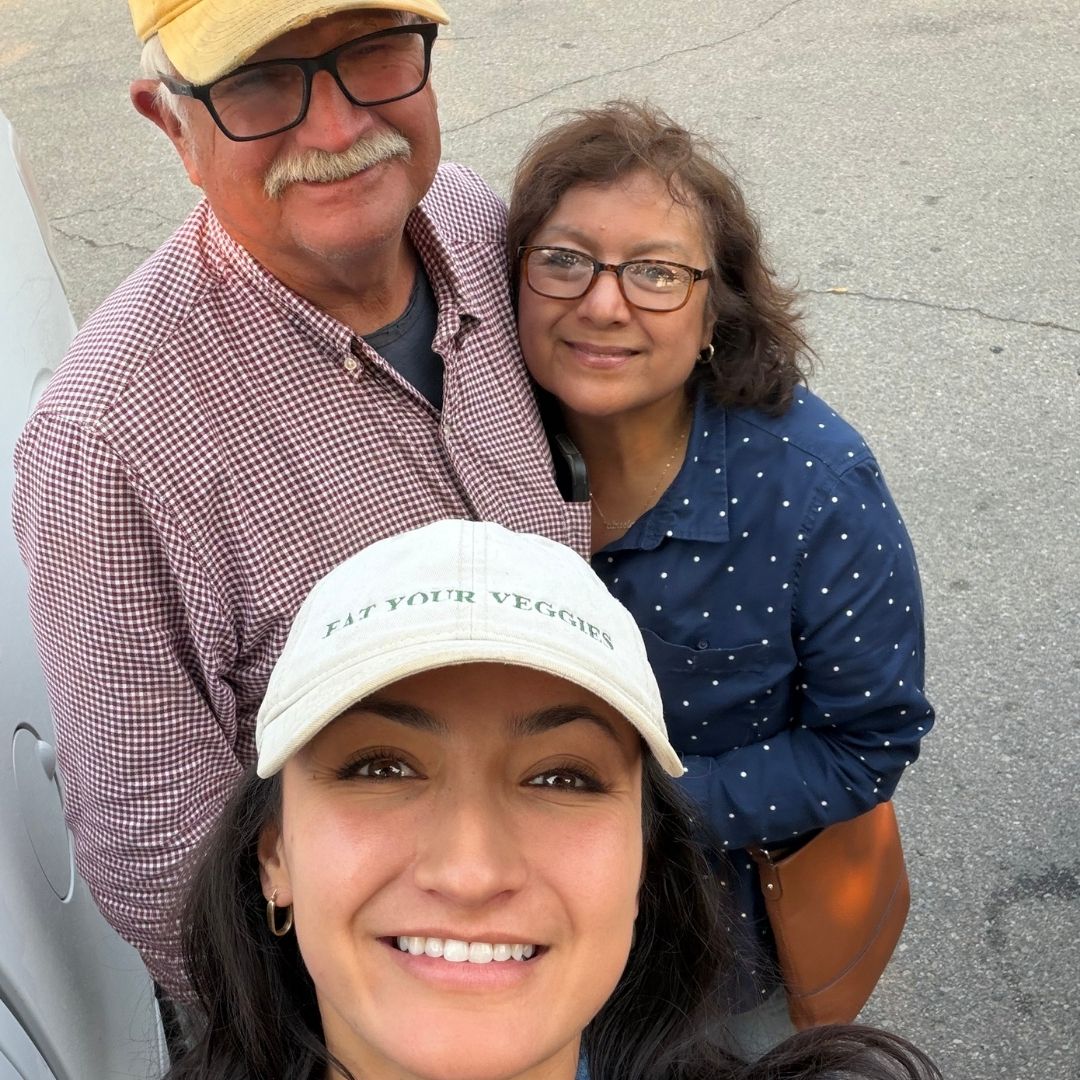
My dad always reminds me that farming is a long-term business.
We did have a jump in CSA members this year, but it's a long time in the making. My parents started the CSA around five years ago, back when we ran everything on spreadsheets — a different Excel sheet for every piece of it, and a complete mess.
So the seed went in the ground a lot earlier than this year's numbers make it look.
I want to put that out there, because a lot of people expect to have 300 CSA members their first year.
The truth of the matter is, with owning a farm and growing food, you have to develop relationships where people are gaining your trust — for them to want to invest in your farm.
The growth came from last year's members, not from ads
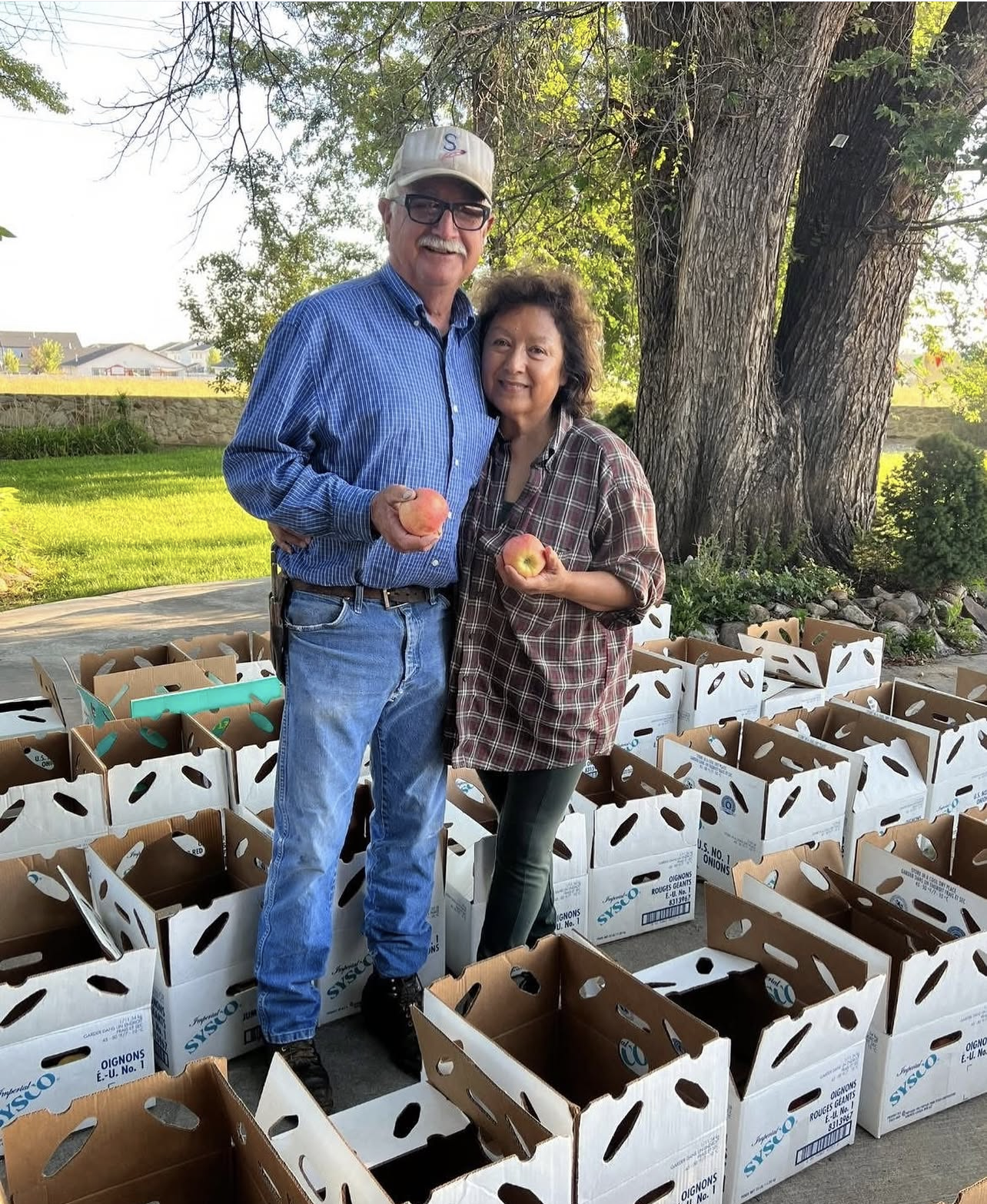
If I could attribute anything to this last year with no marketing, it was the relationship we built with our CSA members the year prior.
A lot of that was Farmhand — and this is not an ad for Farmhand. But being able to respond quickly, take care of problems, write really great newsletters, give people the kind of one-to-one service that's otherwise almost impossible — that made them feel special. And they ended up spreading the word about the CSA to their friends.
I marketed the farm. Then the CSA sold itself.
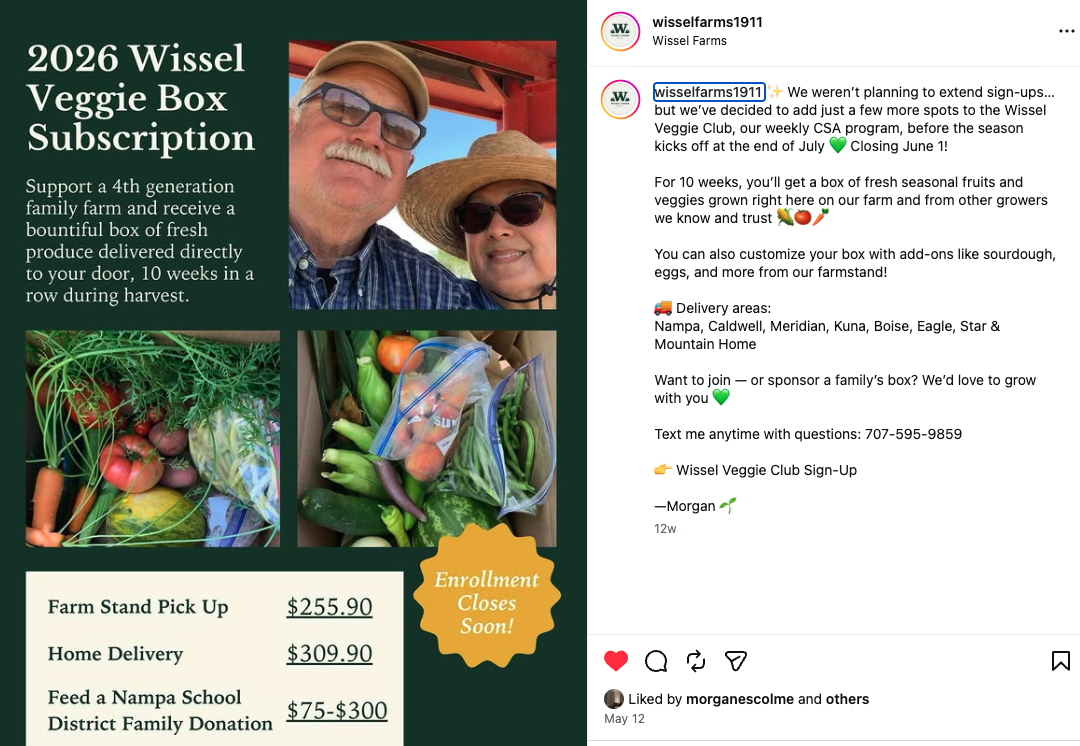
I didn't necessarily do CSA marketing. I did other marketing for the farm. I'm consistently posting about the farm and what's happening, and in doing that I built relationships with our target consumers.
So by the time I shared about the CSA, people were ready to purchase.
Scarcity is doing more work than any ad could
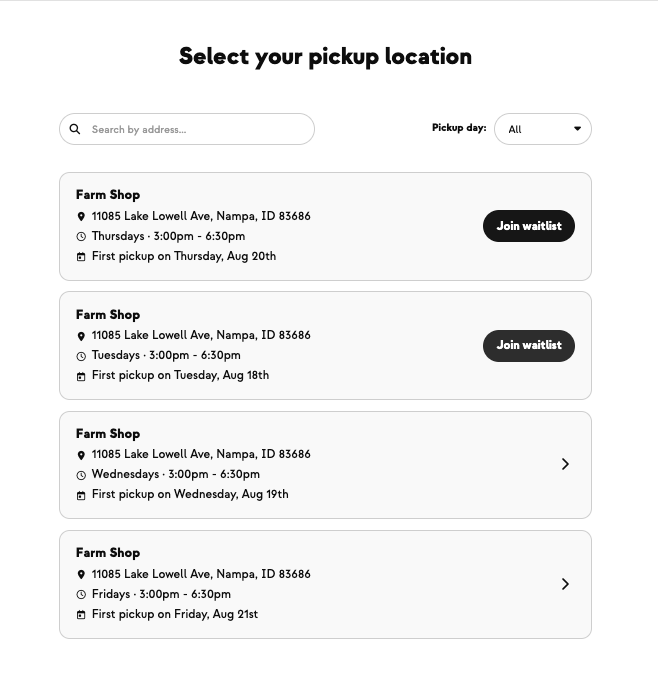
One of the biggest drivers of getting people to sign up is knowing there's a limited number of spots. There are only so many boxes we can do, and that scarcity has created the demand. People want to sign up early and make sure they're on the list.
I don't want to promote exclusivity, because that's not what it is. It's that there's only so much of us. There are only so many people who can invest in our farm and still have us meet what they want.
The cap is deliberate. That matters.
Why last year's members came back
.webp)
I think our members returned because of our service.
Before Farmhand I was using my personal phone, answering our community on email and on text, all over the place. That's impossible when you're also trying to manage a farm.
Now I can nurture each relationship, respond quickly, take care of any issue, answer any question. Even if it's what do I do with my rosemary? — I get the text and I answer it, simply. That is enormous.
My parents have been in the fresh food business for over 30 years, and customer service is the first thing they taught me.
My parents always tell me we're in the produce business. But customer service has always been the top thing.
The box itself is customer service
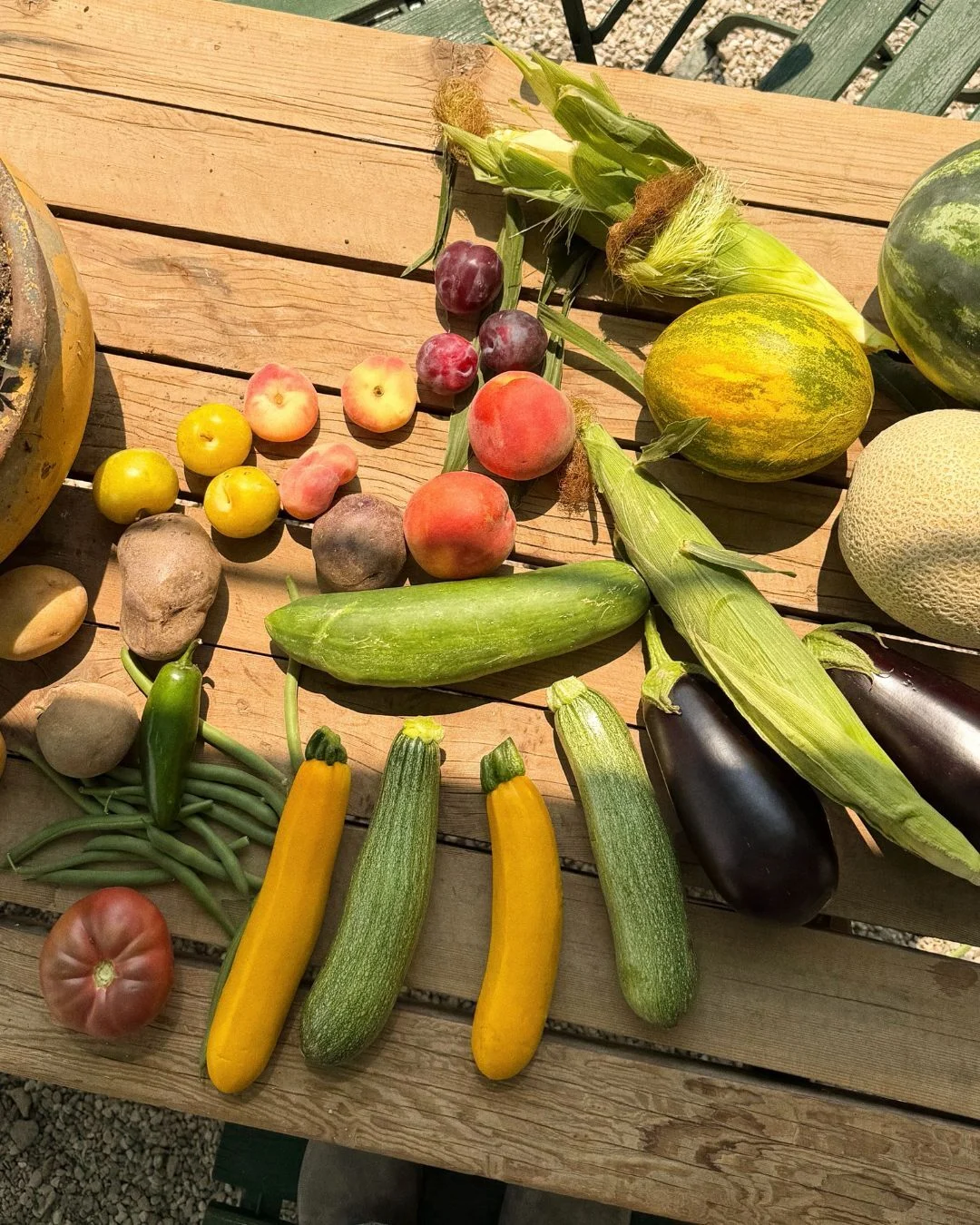
There are also small things I think CSA farms need to think about.
When people receive a box, they want it to feel substantial. Does the box feel full? People want that abundance when they pick it up.
Do the items make sense together? Is everything super fresh?
You want to think through opening that box as a customer — experiencing that magic, making sure there's enough in there, that it looks nice, that it's put together and synergistic. My parents and I are always thinking through that.
How I set this year's capacity
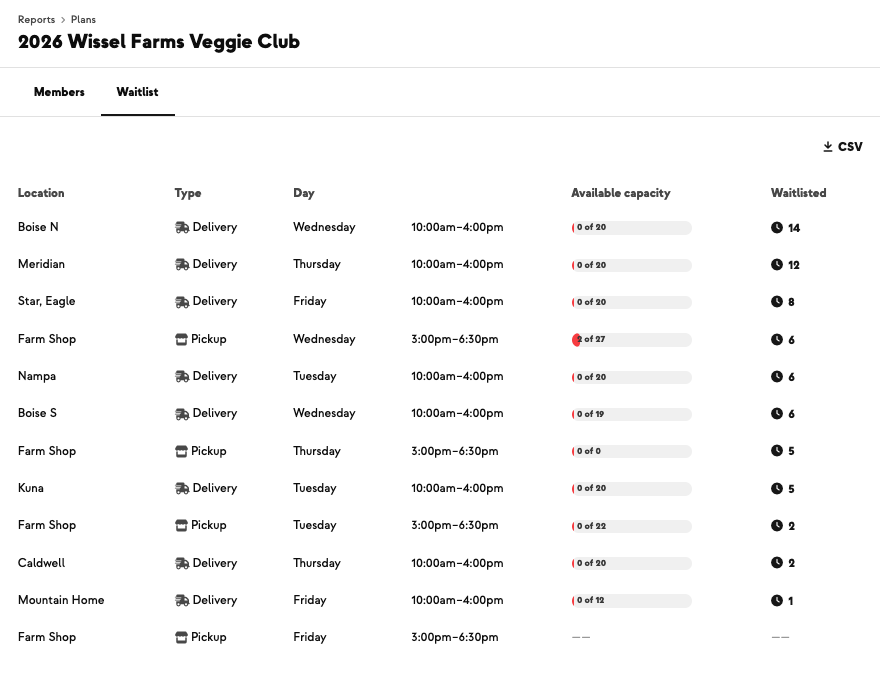
You always need to be bringing new customers in. You can't depend only on the customers you have. People move away. People decide it's not for them. People go through stretches where they can't allocate money toward a CSA.
So I know I have to keep building and bringing new people in.
With that in mind, I decided 50 to 100 more members, spread across several days, probably wasn't going to be a huge issue.
The other thing I added was letting people pick up any day, versus only one day.
And I added a delivery driver. I originally had one person doing all of the deliveries, and that's really hard — between traffic and schedules, one person can't cover it.
Fifty to 100 more members spread across several days was not going to be a huge issue.
The math my dad taught me
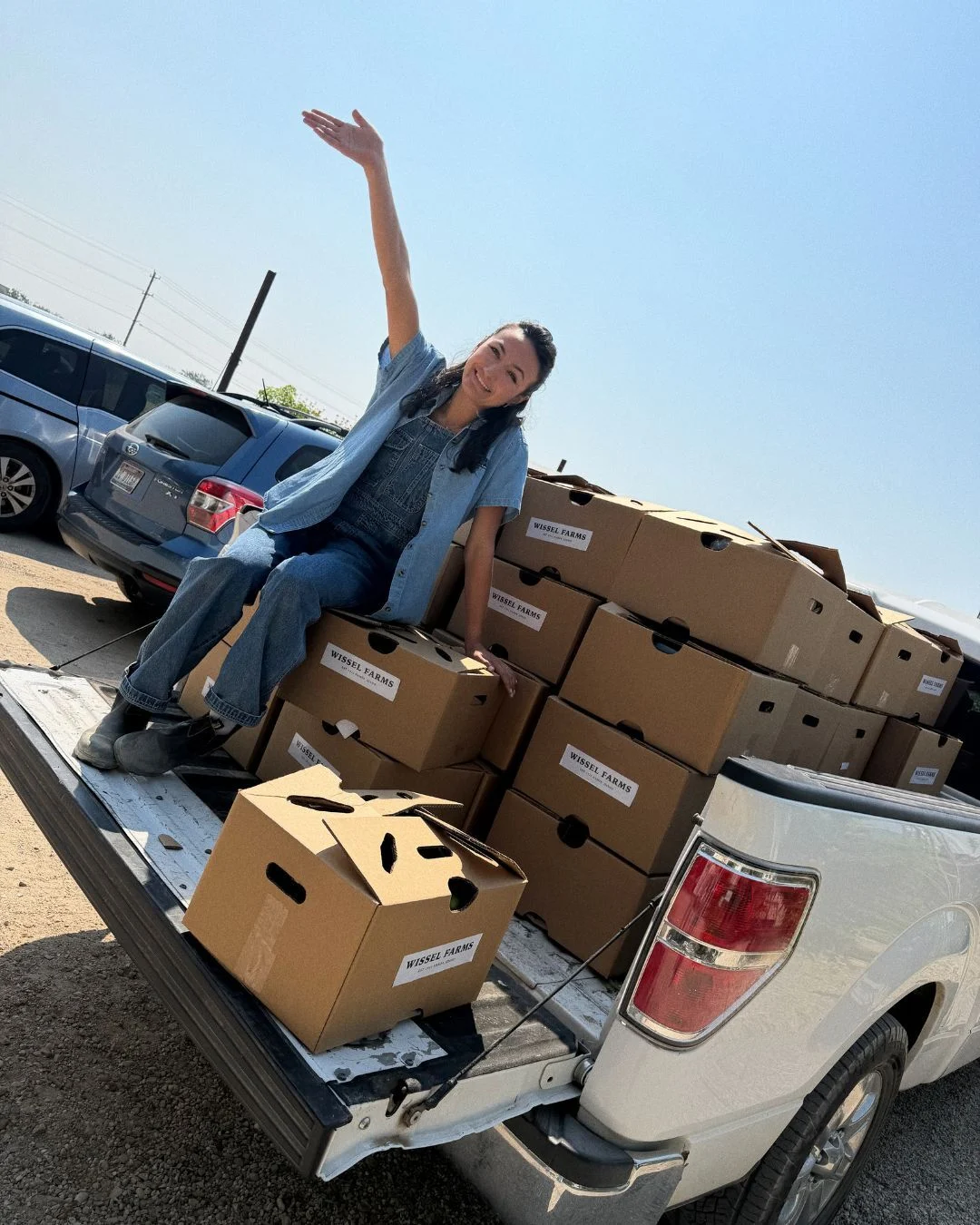
My dad always tells me that doing 250 boxes is not much different from doing 300 boxes in terms of cost. From a business standpoint, continuing to scale is really important.
I think there will end up being a cap where I can't do any more, or don't want to, because I want to keep it semi-small. We're not there yet. But who knows what the future holds.
— Morgan, Wissel Farms
What to take from this
If you're trying to grow your CSA:
- Count the years, not the season. A 50% jump sits on five years of relationship-building. Expecting 300 members in year one is the fastest way to quit in year two.
- Market the farm, not the CSA. Post about the farm year-round. When sign-ups open, your audience is already warm.
- Cap it on purpose. A limit creates real urgency, and it's honest — a farm can only serve so many people well.
- Your renewal rate is a service metric. Fast, personal answers are why last year's members come back and bring friends.
- Make the box feel full. Abundance, freshness, and items that go together are customer service, not separate from it.
- Add days before you add members. Spreading new members across every pickup day, not one, is what made the increase work.
- Add the second driver early. One driver covering every route caps your growth before your fields do.
- Scale where the cost curve is flat. 250 boxes and 300 boxes cost about the same to run. Know where your own flat stretch is.
Farmer Morgan runs Wissel Farms in Nampa, ID, a family farm growing since 1911 that has run a CSA for about five years.
🎬 Watch Morgan's workshop: Just Post It — How Wissel Farms Turned Reels Into Real Sales
Related Content
Get the story in your inbox every week.
Real success stories from working CSA and dairy farms–delivered every week (free).
Read by 5,000+ farmers every Friday