
The Moment Local Food Was Built For
On a family beach trip — the kind where you see relatives you only see once a year (if that) — food was the topic at the table. A cyclospora outbreak was working its way through the headlines: hundreds of cases, dozens of states, no confirmed source. It was eye-opening to watch people I love push greens around their plates and realize they couldn't name a single person who touched their food before it reached them. For some of my family, food is just something that appears on a shelf.
So I did what you'd probably do: I talked about the farmers I get to work with, and I encouraged everyone to find their own — a farm near home, a name, a face, a weekly box. It was one conversation with one family — but that's what a resilient food system looks like at work: people educating the people around them, staying true to their values, and backing local farmers with their grocery money.
Because the most important detail in these outbreaks is the one nobody prints in bold: officials usually can't find the source.
That's not because the investigators are bad at their jobs. It's because the industrial food system is built in a way that makes the question unanswerable. A bag of salad greens passes through growers, consolidators, processors, distributors, and retailers — so many anonymous hands that by the time someone gets sick, "where did this come from?" has no answer at all. The anonymity isn't a bug in that system. It's the design.
You can answer that question in one sentence.
Every time contamination makes the news, millions of families have the same conversation mine did at the beach — and the system they buy from is structurally incapable of answering them. You are the only food source in their lives that can.
We've always believed that food is the most honest relationship a person can have with their place — and that every person should have a farmer the way they have a doctor. A moment like that is when it stops being a nice idea and becomes the thing your community actually needs. They don't need a recall notice. They need reassurance from a name and a face.
And farmers give it to them. When the cyclospora headlines hit, Heather at Something Good Organics (Goleta, CA) took the message straight to Instagram: "we have answers — not because of a barcode, but because of relationships."
Farmer Ali at Shenandoah Seasonal (Clear Brook, VA) took our food-safety email template and made it entirely her own — how they grow, what members can do at home, and the plain truth that her family eats from the same fields. Then she tucked it into her regular weekly newsletter, right beside that week's blue potatoes and Parisian carrots — reassurance delivered in the same breath as dinner.
And the conversation goes both ways. Here's what a member wrote unprompted to Farmer Silas at Spirit in the Sky Homestead (Tillman, SC) as the headlines swirled:
"Just wanted you to know that with all of the noise about cyclospora, it gives me a great sense of relief to know that I'm getting my produce from Spirit in the Sky. Knowing who is growing and caring for our food is so important every day but now more than ever."
— Lynda, CSA member
Notice what a reply like Lynda's actually is: interest paid on trust that was earned long before the headlines. You can't build that in a news cycle. The farms that hear from their members in weeks like these are the ones who've been beating this drum all year — and that's the real differentiator, because trust and education take seasons, not press releases.
Here's what beating the drum all year looks like.
1. Make trust do the recruiting
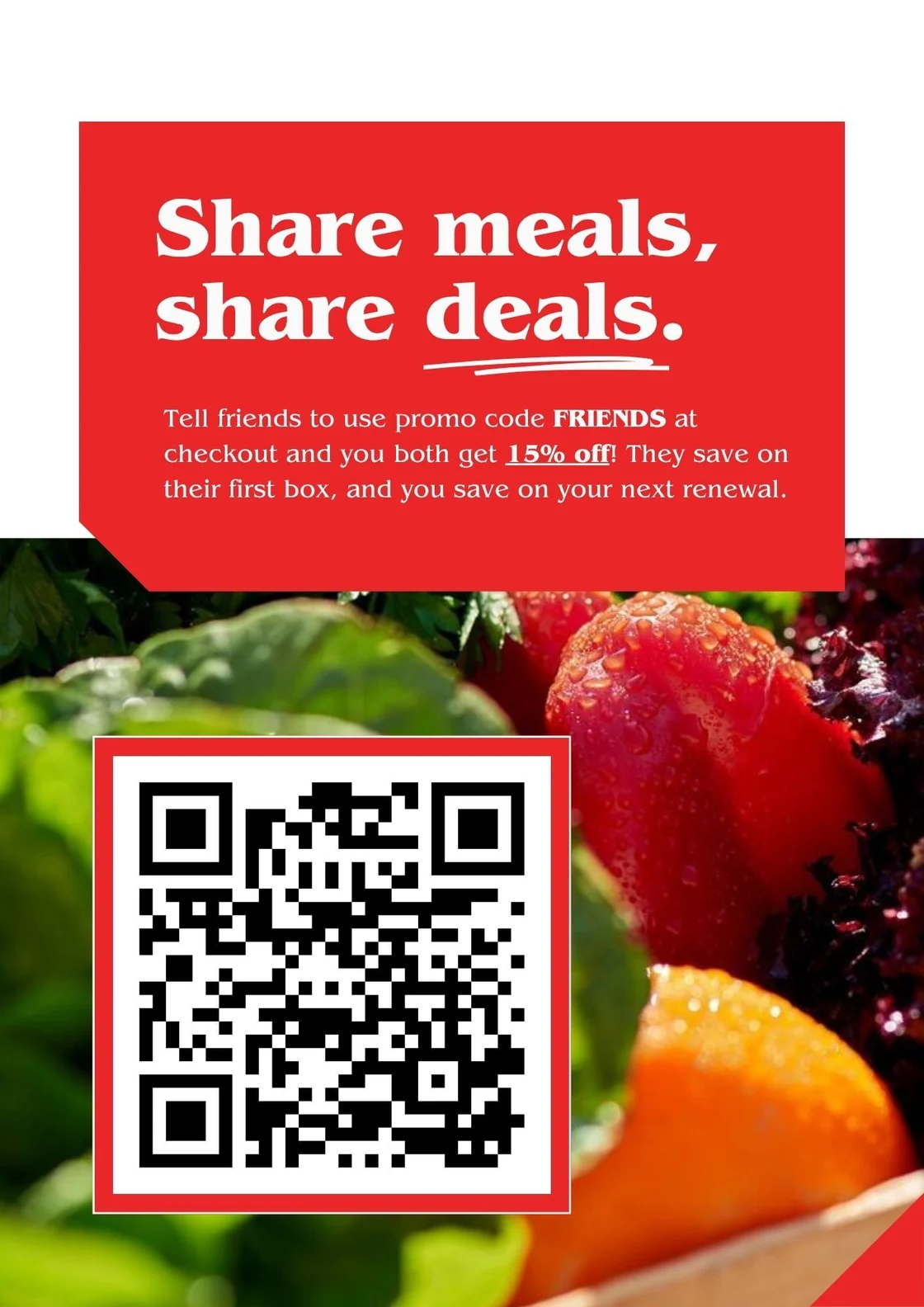
Farmer Cliff at C.V. Pilson Farm (Cameron, NC) doesn't wait for members to think of referring on their own. His member handbook — emailed to members weekly — carries a simple standing offer: share the farm with a friend, and you both get a 15% credit. No cap. He's not asking strangers to trust him. He's asking people who already do to lend that trust to someone they know. (More member-powered plays like this here.)
2. Keep saying it — in the quiet weeks too
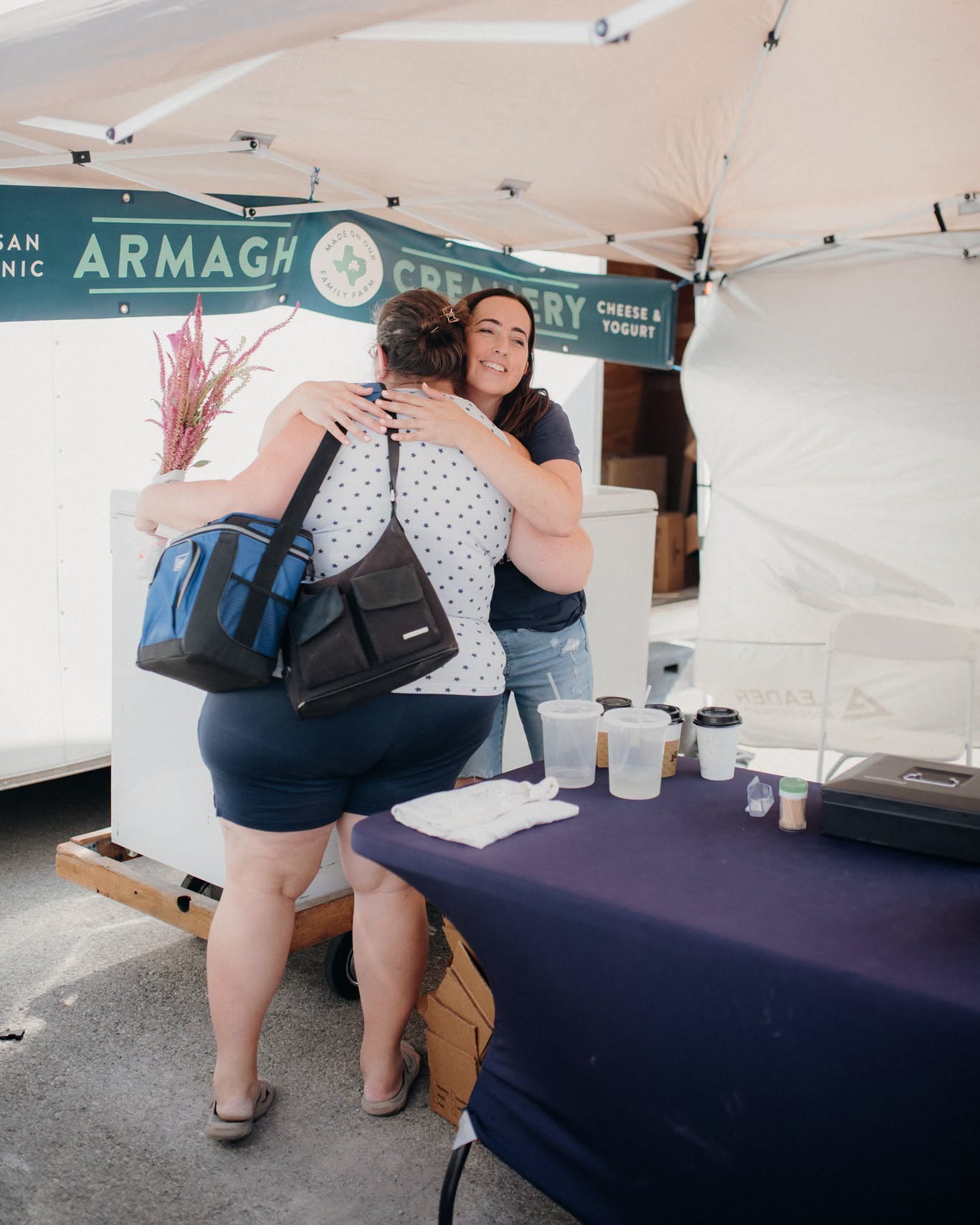
Farmer Katie at Armagh Creamery (Dublin, TX) doesn't wait for headlines to talk about where food comes from. Her feed carries the message all year — connection to the land, to the hands that make the food, to the people it feeds:
"You can view our products not just as food, but as something grown, raised, cared for and made with intention... Get to know your farmers, and get to know your food. It makes all the difference in the world."
By the time a crisis hits, her community has heard the "why" a hundred times — so the trust is already there when it counts. That's education as a habit, not a reaction.
3. Open the door (literally) for conversation
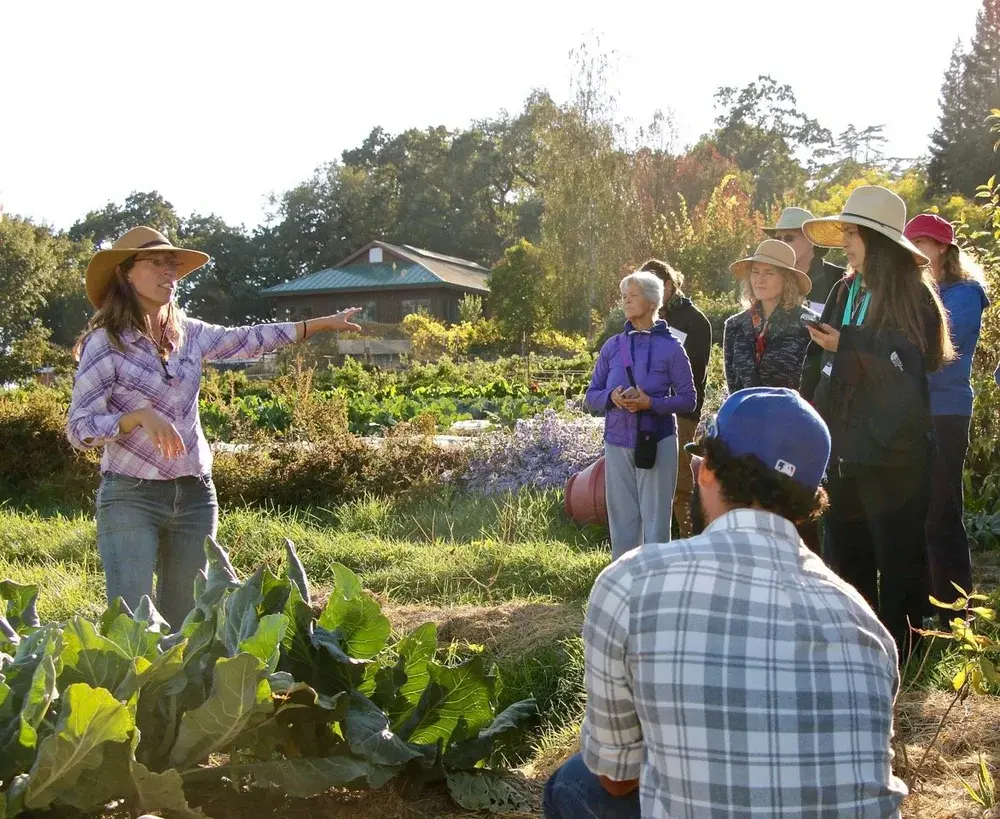
Farmer Elizabeth at Singing Frogs Farm (Sebastopol, CA) hosts monthly walking tours open to members. It's an intimate invitation from the farmer herself: walk the fields, ask the real questions, get instant, transparent answers.
No label on grocery store lettuce can do that. But a member who has stood in your rows? They'll never wonder where their food comes from again — not this week, not ever.
4. Make space for everyone at the table
Farmer Stefan at Friendly Neighbor Gardens (Linville, VA) grows year-round — the only neighborhood farm in his area harvesting through the winter. And he's taking the next step: through our partnership with Forage, he's gearing up to pilot SNAP/EBT on Farmhand, so every family in his community can pay for their share — with no extra workflow landing on his crew.
Because here's the uncomfortable part of "know your farmer": if it's the answer, it can't only be the answer for households who can float a whole season up front. Everyone deserves food they can trust from a farmer they know — that's the future we're building toward, one where every household has a farm with a name, a face, a place.
Trust takes seasons. This one's yours.
Farmhand exists because farmers shouldn't have to burn themselves out to feed their neighbors. Outbreaks like this one are a reminder of why feeding your neighbors matters in the first place. The industrial system runs on anonymity, and every unsolved recall is what anonymity costs. Your farm runs on the opposite — a name, a face, a field someone can visit, a question someone can ask and actually get answered.
And “your neighbors” means all of them. That’s why we’re rolling out online EBT on Farmhand, starting with a limited group of farms. EBT/SNAP customers pay online, authorize weekly charges for orders, and use your existing subscription signup and storefront in compliance with FNA restrictions — same food, same farmer, same trust, now within reach of every family on your route.
If you want to see how it works or claim one of the limited spots, book a call.
💌 Want stories, templates, and tips like this every week? Get our newsletter.
Related Content
Get the story in your inbox every week.
Real success stories from working CSA and dairy farms–delivered every week (free).
Read by 5,000+ farmers every Friday